
Bankart Lesion vs SLAP Tear: What’s the Difference?

Shoulder injuries can be painful and confusing, especially when it comes to labral tears. Two common types are Bankart lesions and SLAP (Superior Labrum Anterior to Posterior) tears. While both affect the shoulder’s labrum, they differ in location, cause, and treatment approach.
Dr. Martha Balakrishna, Consultant Orthopedics and Joint Replacement Surgeon, explains these injuries, helping patients understand their symptoms and treatment options.
Understanding Shoulder Anatomy
The shoulder is a complex joint, combining mobility and stability. Key components include:
- Humerus: Upper arm bone
- Glenoid: Shoulder socket
- Labrum: Cartilage rim around the socket, providing stability
- Rotator cuff: Muscles and tendons controlling movement
The labrum is critical for shoulder stability. Injuries to the labrum can lead to pain, instability, and limited movement.
What Is a Bankart Lesion?
A Bankart lesion is a tear of the labrum at the lower front (anterior) part of the shoulder socket, usually caused by shoulder dislocation.
Causes
- Traumatic shoulder dislocation (most common)
- Repeated shoulder subluxation (partial dislocation)
- Sports injuries (rugby, football, gymnastics)
Symptoms
- Shoulder pain, especially during overhead movement
- Feeling of instability or the shoulder “slipping out”
- Weakness in the arm
- Recurrent dislocations or subluxations
Bankart lesions are most often seen in younger, active adults, particularly athletes involved in contact or overhead sports.
What Is a SLAP Tear?
A SLAP tear occurs at the top (superior) part of the labrum, where the biceps tendon attaches to the shoulder socket.
Causes
- Overhead sports (baseball, swimming, tennis)
- Heavy lifting or repetitive overhead activity
- Falling on an outstretched arm
- Acute trauma or sudden pulling motion
Symptoms
- Deep shoulder pain, often with overhead movements
- Clicking, popping, or catching sensations in the shoulder
- Weakness or fatigue during lifting or throwing
- Less commonly, feelings of dislocation compared to Bankart lesions
- SLAP tears are often associated with overuse injuries and may occur without full dislocation.
Key Differences Between Bankart Lesion & SLAP Tear
Location
• Bankart: Lower front labrum
• SLAP: Top of labrum near biceps
Cause
• Bankart: Shoulder dislocation
• SLAP: Overhead or repetitive stress
Symptoms
• Bankart: Instability, shoulder “slips”
• SLAP: Pain, popping, weak overhead motion
Who Gets It
• Bankart: Young, active, dislocation-prone
• SLAP: Athletes with overhead use
Treatment
• Bankart: Often needs surgical repair
• SLAP: Physio first; surgery if symptoms persist
Diagnosis
Correct diagnosis involves a combination of:
Clinical Examination: Shoulder stability tests, range of motion assessment, and strength evaluation
Imaging
- MRI or MR Arthrogram: Detailed view of labrum and soft tissue
- X-rays: Rule out fractures or bone damage
- Patient History: Trauma events, sports activity, or repetitive movements
Dr. Martha Balakrishna emphasizes that early evaluation prevents chronic instability and long-term complications.
Treatment Options
1. Conservative Management
- Rest and Activity Modification: Avoid movements that trigger pain
- Physical Therapy: Strengthening rotator cuff and shoulder stabilizers
- Pain Relief: Anti-inflammatory medications and ice therapy
Conservative management is often the first step for mild SLAP tears or non-dislocated Bankart lesions.
2. Surgical Treatment
Surgery may be recommended if:
- Shoulder instability persists
- Recurrent dislocations occur (common with Bankart lesions)
- Pain or functional limitations do not improve with therapy
Surgical Techniques
- Arthroscopic Labral Repair: Minimally invasive repair using small incisions and anchors
- Bankart Repair: Reattaches labrum to restore shoulder stability
- SLAP Repair: Reattaches torn labrum and biceps tendon anchor if needed
Recovery depends on the procedure but usually involves rehabilitation and gradual return to sports.
Rehabilitation And Recovery
Recovery after surgery is critical for regaining shoulder strength and function:
- Immobilization: Sling for 2–4 weeks after surgery
- Physical Therapy: Gentle range of motion exercises progressing to strength training
- Return to Sports: Usually 3–6 months depending on injury severity
Adhering to a structured rehab plan ensures full functional recovery and reduces recurrence risk.
FAQs On Bankart Lesion vs SLAP Tear
Q1. Can I play sports with a SLAP tear or Bankart lesion?
Mild injuries may allow continued activity, but persistent pain or instability requires treatment to prevent further damage.
Q2. How long does it take to recover from labral surgery?
Recovery typically ranges from 3–6 months with proper rehab.
Q3. Are arthroscopic surgeries safe?
Yes, arthroscopic techniques are minimally invasive with faster recovery and lower complication rates.
Q4. Can these injuries heal without surgery?
Mild tears may improve with physical therapy, but instability from a Bankart lesion often requires surgical repair.
Q5. How can I prevent shoulder injuries?
Strengthening the rotator cuff, practicing proper technique in sports, and avoiding repetitive strain are key preventive measures.
Expert Shoulder Care You Can Trust
Shoulder injuries like Bankart lesions and SLAP tears can significantly affect daily activities, sports performance, and quality of life.
Dr. Martha Balakrishna, Consultant Orthopedics and Joint Replacement Surgeon, specializes in diagnosing and treating complex shoulder injuries with minimally invasive, patient-focused techniques. Her expertise ensures optimal recovery, pain relief, and restored function.
Consult Dr. Martha Balakrishna Today
Get expert evaluation and treatment for shoulder instability or labral injuries to regain strength, mobility, and confidence.
We Are Located At
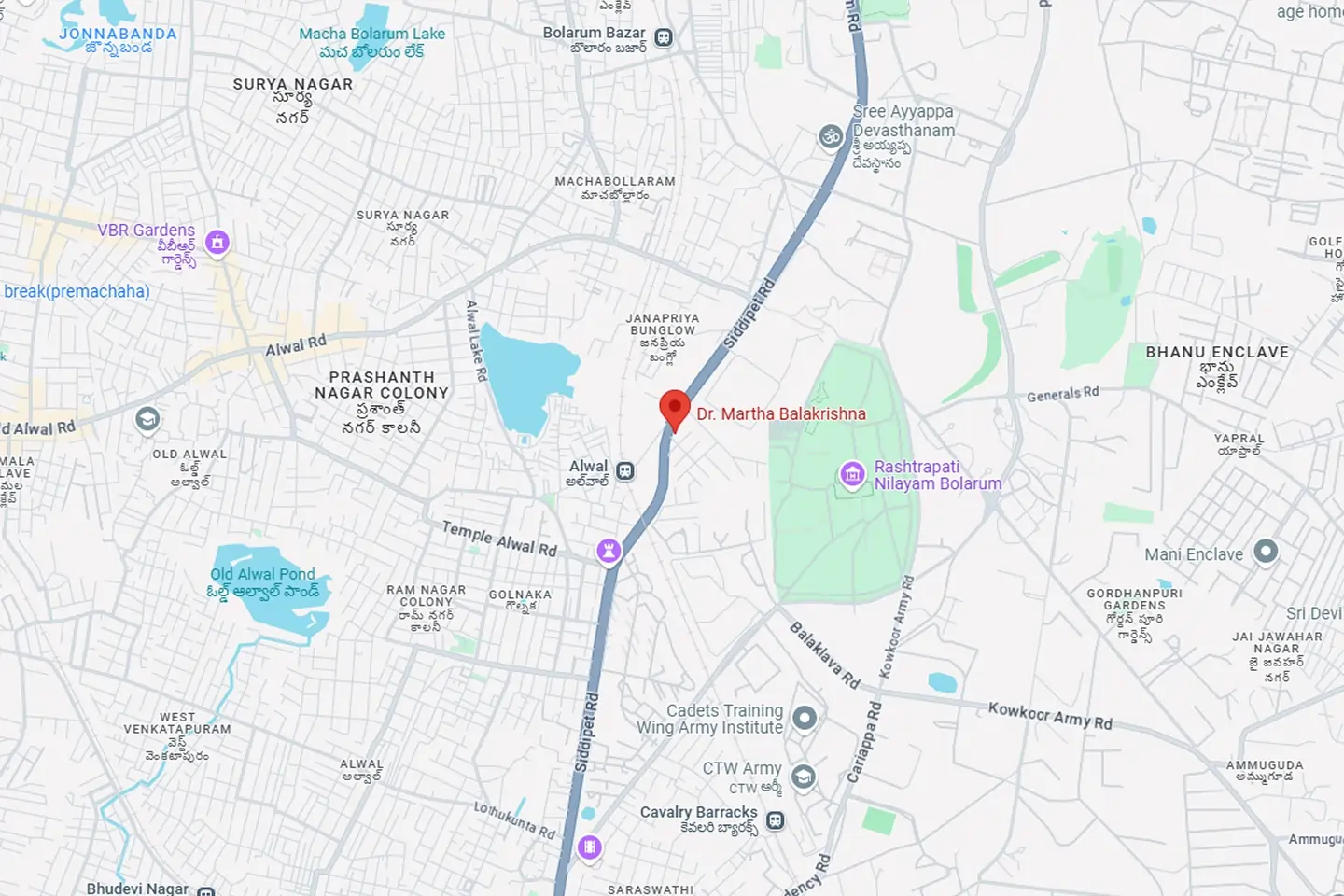
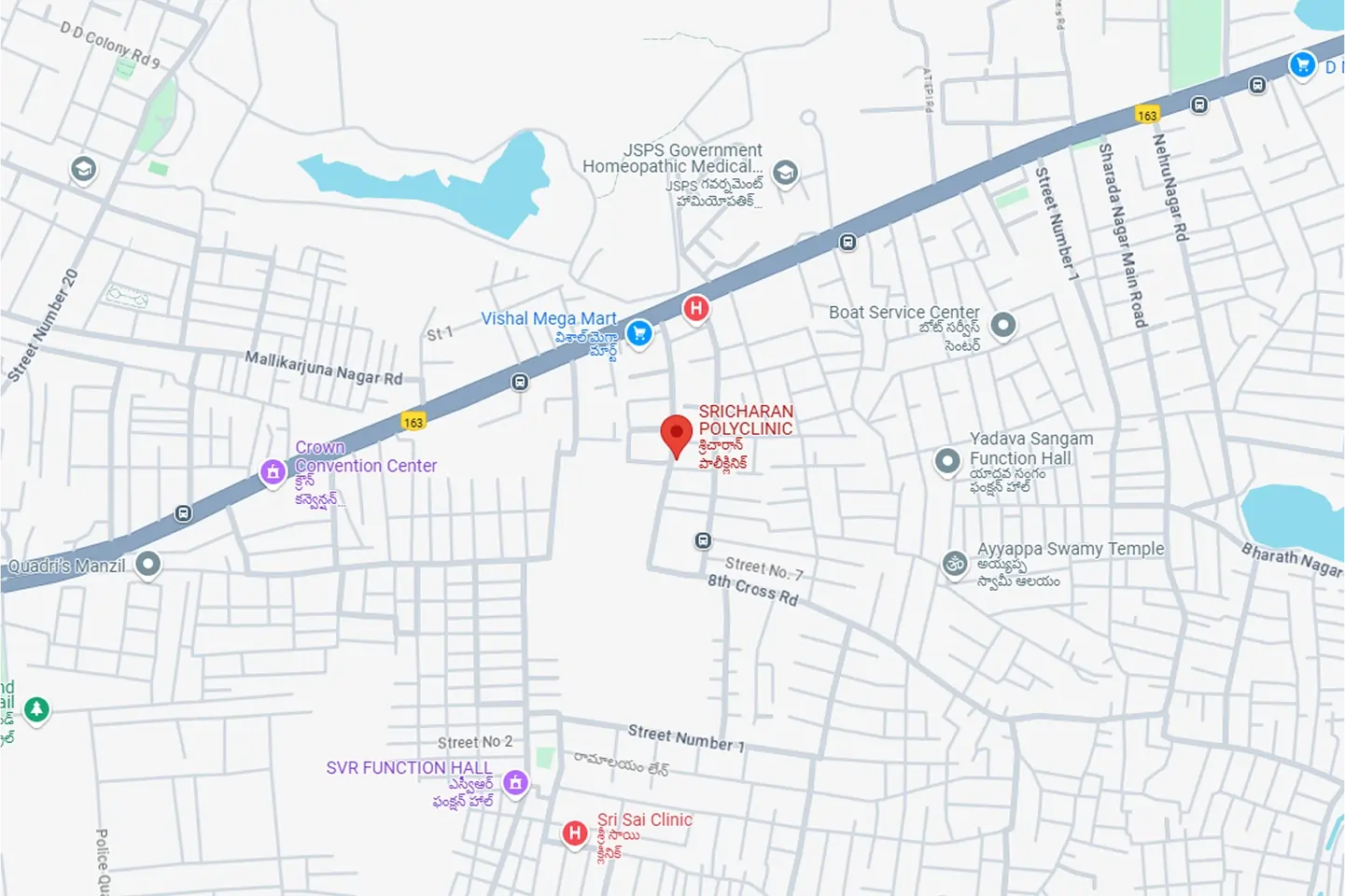
Sri Charan Polyclinic