
Patellofemoral Pain Syndrome – How It Affects Runners
Introduction
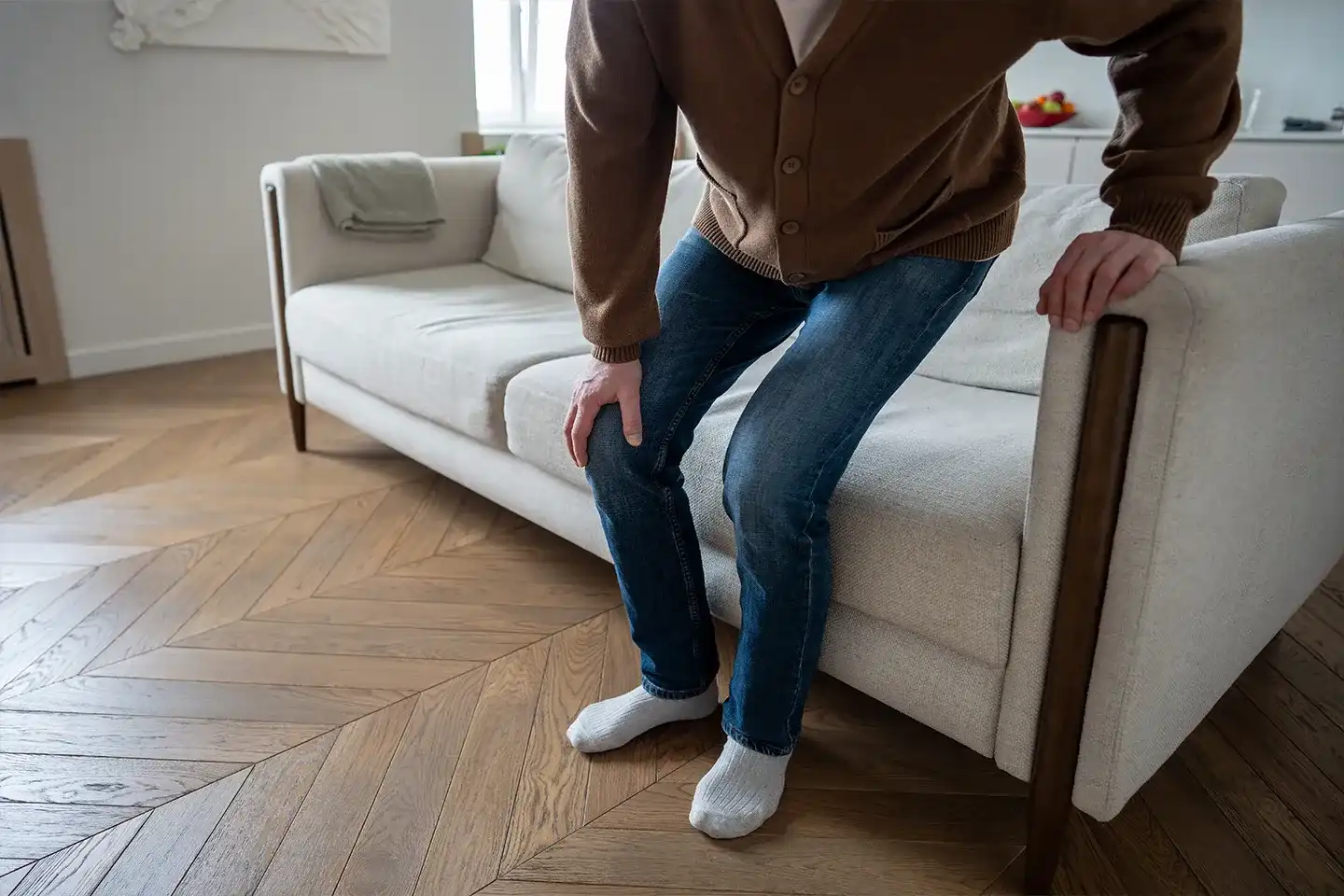
Running is one of the most popular forms of exercise, offering numerous health benefits. However, it can also put stress on the knees, leading to a condition commonly known as Patellofemoral Pain Syndrome (PFPS) or “runner’s knee.” This syndrome is characterized by pain around or behind the kneecap, often aggravated by running, squatting, or climbing stairs.
Dr. Martha Balakrishna emphasizes that understanding PFPS, its causes, and proper management is crucial for runners of all levels. Early intervention can prevent long-term damage, improve performance, and keep you running pain-free.
What Is Patellofemoral Pain Syndrome?
Patellofemoral Pain Syndrome occurs when there is abnormal tracking of the patella (kneecap) over the femur during knee movement. This misalignment causes stress on the cartilage under the kneecap, leading to pain and inflammation.
PFPS is not usually associated with structural damage like ligament tears, but if untreated, it may lead to chronic discomfort and decreased mobility.
Causes of PFPS in Runners
Overuse or Repetitive Stress
Running, especially on hard surfaces or increasing intensity too quickly, can strain the knee joint.
Muscle Imbalances
- Weak quadriceps, glutes, or hip muscles can affect patella alignment.
- Tight hamstrings or calf muscles also contribute to knee stress.
Biomechanical Issues
Flat feet, high arches, or improper gait can increase stress on the patellofemoral joint.
Poor Footwear
Running shoes without proper cushioning or support can exacerbate PFPS.
Previous Knee Injuries
Past ligament injuries or meniscus problems can make the knee more vulnerable.
Symptoms of Patellofemoral Pain Syndrome
- Dull, aching pain around or behind the kneecap
- Pain during or after running, squatting, or stair climbing
- Popping or grinding sensation in the knee
- Swelling in the knee (occasionally)
- Difficulty performing sports or activities that involve knee bending
Symptoms often worsen with activity and may improve with rest, but persistent cases require evaluation.
Diagnosis of PFPS
Dr. Martha Balakrishna explains that diagnosis typically involves:
- Medical history: Assessing activity level, training habits, and prior injuries
- Physical examination: Checking knee alignment, muscle strength, flexibility, and range of motion
- Imaging tests: X-rays or MRI may be used to rule out other conditions like cartilage damage or ligament injuries
Early diagnosis ensures appropriate treatment and prevents chronic knee problems.
Treatment Options
PFPS is usually managed through conservative, non-surgical methods, although surgery is rarely needed.
1. Rest and Activity Modification
Reduce running intensity or switch to low-impact activities like swimming or cycling temporarily.
2. Physical Therapy and Strengthening
- Exercises targeting quadriceps, glutes, and hip muscles improve patella tracking
- Stretching tight muscles, including hamstrings and calves, reduces knee stress
3. Pain Relief
Ice therapy and over-the-counter anti-inflammatory medications help reduce pain and inflammation
4. Orthotics and Footwear
- Custom insoles or supportive running shoes correct biomechanical issues
- Proper footwear helps absorb shock and maintain alignment
5. Taping or Bracing
Knee taping or patellar braces may help stabilize the kneecap during activity
Prevention Tips for Runners
- Warm up before running and cool down afterward
- Gradually increase mileage and intensity to avoid overuse
- Include strength and flexibility exercises in your routine
- Ensure proper running shoes and orthotics if needed
- Avoid running on hard or uneven surfaces excessively
FAQs About PFPS
1. Is PFPS only seen in runners?
No, it can affect anyone performing activities that strain the knee, such as cycling, jumping, or squatting.
2. Can I continue running with PFPS?
Mild cases may allow modified running, but ignoring pain can worsen the condition. Temporary rest or activity modification is recommended.
3. Does PFPS require surgery?
Most cases are treated conservatively. Surgery is rare and considered only when conservative treatment fails.
4. How long does recovery take?
With proper rehabilitation, many runners see improvement within 6–12 weeks.
5. Can PFPS recur?
Yes, recurrence is possible if underlying issues like muscle weakness or improper biomechanics are not addressed.
Conclusion
Patellofemoral Pain Syndrome is a common cause of knee pain among runners, but with early diagnosis, targeted exercises, and proper footwear, it can be managed effectively. Ignoring the condition may lead to chronic pain and limit athletic performance.
Dr. Martha Balakrishna emphasizes the importance of strengthening, stretching, and gradual training progression to keep knees healthy. Runners who follow preventive strategies and seek timely care can continue their activities without long-term complications.
If You Are a Runner Experiencing Knee Pain, Discomfort Around the Kneecap, or Difficulty With Daily Activities, Schedule a Consultation With Dr. Martha Balakrishna. Early Assessment and Tailored Rehabilitation Can Help You Return to Running Safely and Pain-Free.
We Are Located At
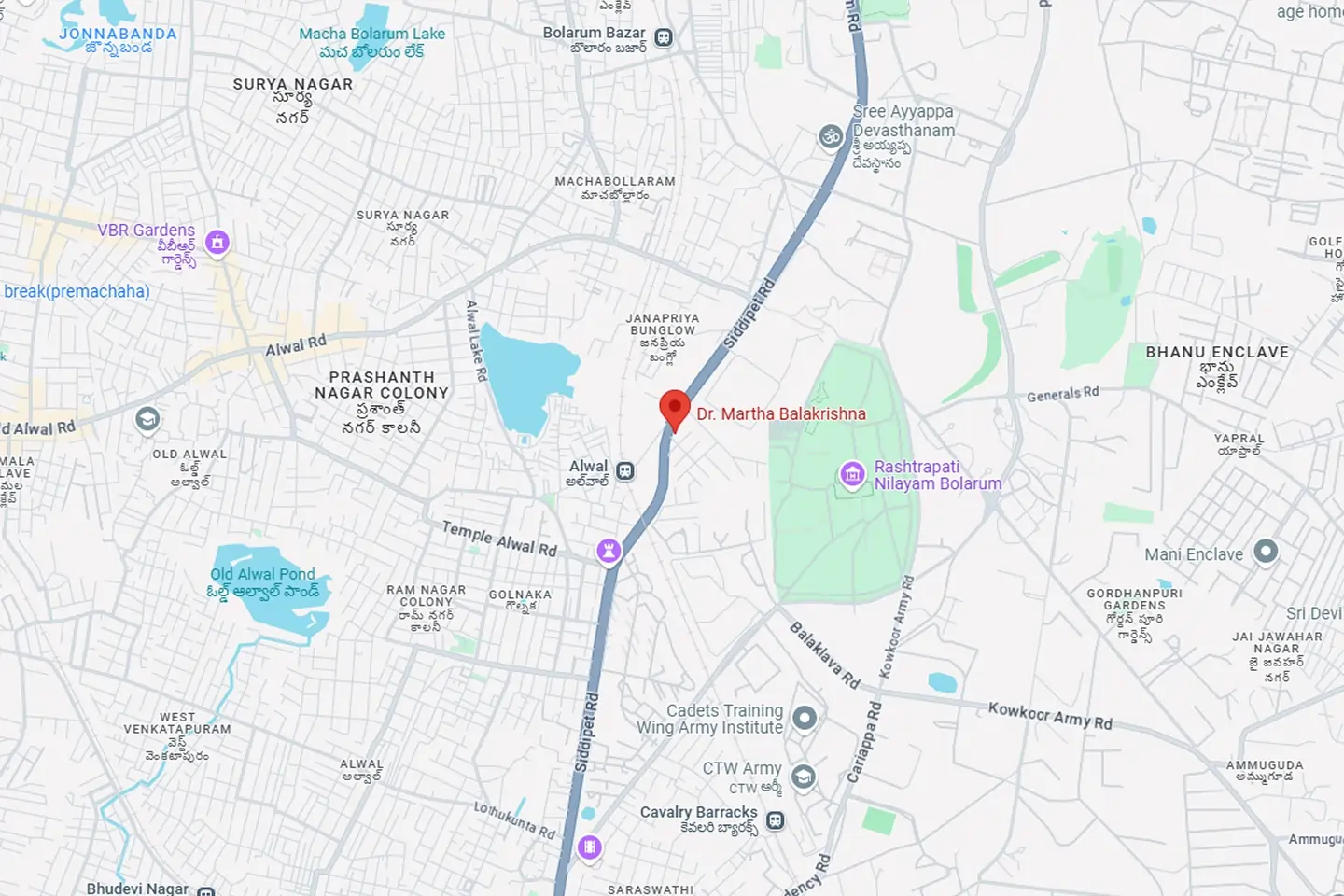
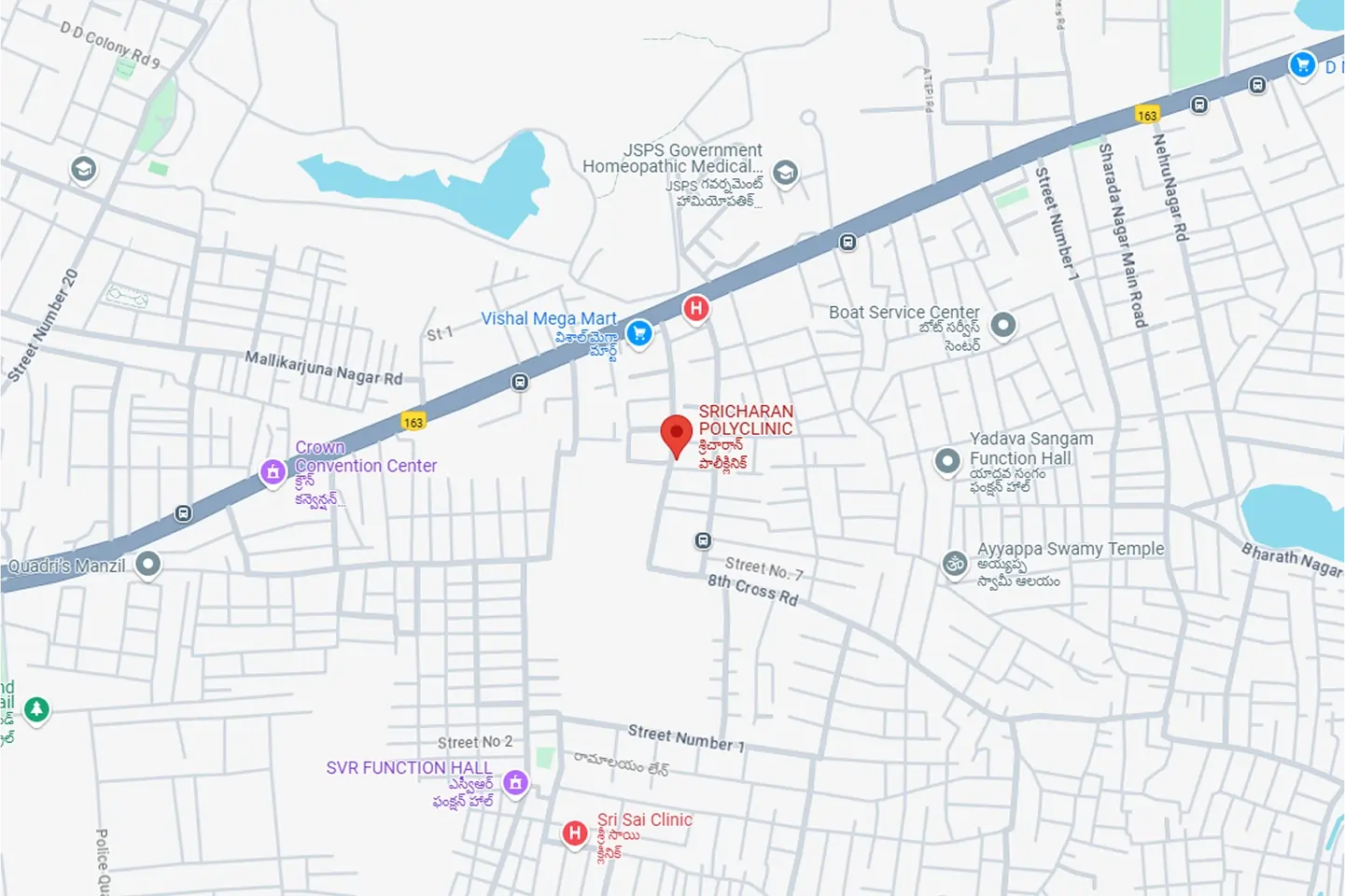
Sri Charan Polyclinic